


학술논문
감정과학은 Science of Feelings이다 - 다마지오·스피노자·퇴계의 감정 존재론을 중심으로 -
이용수 3
- 영문명
- Concerning Science of Feelings: Ontological Accounts of Emotion in Damasio, Spinoza, and Toegye Yi Hwang
- 발행기관
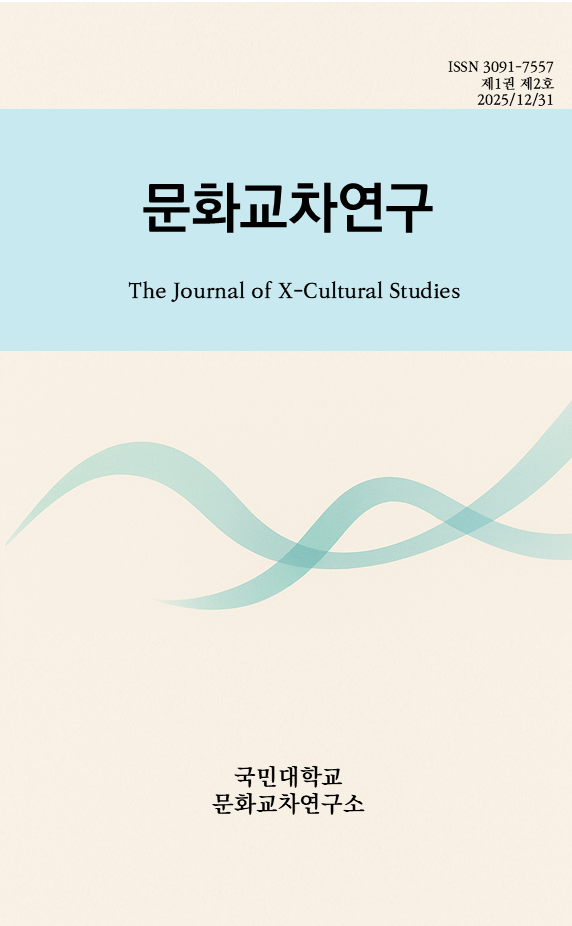
- 국민대학교 문화교차연구소
- 저자명
- 최빈아
- 간행물 정보
- 『문화교차연구』제1권 제2호, 55~74쪽, 전체 20쪽
- 주제분류
- 인문학 > 철학
- 파일형태
- 발행일자
- 2025.12.31
5,200원
구매일시로부터 72시간 이내에 다운로드 가능합니다.
이 학술논문 정보는 (주)교보문고와 각 발행기관 사이에 저작물 이용 계약이 체결된 것으로, 교보문고를 통해 제공되고 있습니다.
국문 초록
본 연구는 국민대학교 문화교차학에서 감정과학을 ‘Science of Emotions’가 아니라 ‘Science of Feelings’로 명명한 이유를 규명 한다. 기존의 감정 연구는 심리학 · 신경과학에서 측정 가능한 생리적 반응을 다루거나, 철학 · 인문학에서 의미 · 도덕 · 존재론적 차원의 감정으로 탐구되어 왔다. 이러한 연구는 감정이 몸에서 발생한 변화, 즉 몸의 변화로 마음에서 인지되는 통합적 구조라는 실체를 충분히 설명하지는 못한다.
이에 본 연구에서는 신체적 변화의 층위를 ‘Emotion’으로, ‘Feeling’을 몸의 변화를 인식하고 존재를 확인하는 것으로 구분하고, 이 후 감정을 생리적 반응 뿐 아니라 존재론적 경험으로 이해하는 관점들에 대해 알아본다. 따라서 연구 방법으로 다마지오의 감정 개념으로 ‘Feeling’이 판단 · 의사결정 · 자아 형성의 조건임을 확인하고, 스피노자의 감정론으로 신체의 변용과 그 변용에 대한 관념의 결합 감정 구조를 알아본다. 그리고 퇴계의 성정론을 통해 성(性)이 기(氣)를 거쳐 정(情)으로 드러나는 감정 이해가 몸과 마음의 통합 구조와 상응함도 확인한다. 세 관점을 통해 우리는 감정이 몸의 변화와 그 변화의 인지가 결합된 존재론적 구조임을 확인 할 수 있다.
그 결과 감정이 하는 일이, 존재가 자기원인으로 스스로를 인식하고 세계와 관계를 맺는 방식의 근본이 되어 인식 · 윤리 · 예술 · 문화의 생성 원리임이 확인된다. 따라서 감정을 연구하는 것을 ‘Science of Feelings’이라 명명한 것은, 감정이 자기원인을 명확히 인지하는 것임을 말하는 문화교차학의 타당성을 확보함과 동시에, 이 시대 감정 연구가 나아가야 할 방향을 보여준다.
영문 초록
This study investigates why the Department of X(cross)-Cultural Studies at Kookmin University designates its field of emotional inquiry not as the “Science of Emotions” but as the “Science of Feelings.” Previous scholarship has typically approached emotion either as a measurable physiological reaction within psychology and neuroscience or as an object of moral, semantic, and ontological interpretation within philosophy and the humanities. Yet these approaches fall short of clarifying emotion as an integrated process in which bodily changes are mapped and consciously experienced by the mind.
Accordingly, this research distinguishes “Emotion” as the physiological level of bodily alteration and “Feeling” as the conscious awareness through which such alteration becomes an experience of one’s own existence. It thereby argues for understanding emotion not merely as a physiological response but as an ontological mode of experience.
Methodologically, the study first examines Antonio Damasio’s theory to demonstrate that Feeling underlies judgment, decision-making, and the emergence of selfhood. Second, it analyzes Spinoza’s account of affect as the conjunction of a bodily modification and the idea of that modification. Third, it considers Toegye Yi Hwang’s Seong–eong theory, in which human nature(seong) manifests as feeling(jeong) through the medium of gi, revealing a structure consistent with the integration of body and mind.
The comparative findings show that all three perspectives conceptualize emotion as an existential event grounded in the convergence of bodily change and its conscious recognition. Consequently, the study argues that emotion functions as a foundational principle through which existence recognizes itself and forms relationships with the world, thereby serving as a generative source for cognition, ethics, artistic creation, and cultural formation. Defining emotional inquiry as the “Science of Feelings” is therefore academically justified, as it understands emotion as a structure of self-awareness and articulates a renewed direction for contemporary emotional studies.
목차
Ⅰ. 서론
Ⅱ. 본론
Ⅲ. 결론
참고문헌
키워드
해당간행물 수록 논문
참고문헌
교보eBook 첫 방문을 환영 합니다!

신규가입 혜택 지급이 완료 되었습니다.
바로 사용 가능한 교보e캐시 1,000원 (유효기간 7일)
지금 바로 교보eBook의 다양한 콘텐츠를 이용해 보세요!