


- 영문명
- Protection and Limitation of Autonomy in Decision-Making : Focusing on Declarations of Intent under Undue Influence
- 발행기관
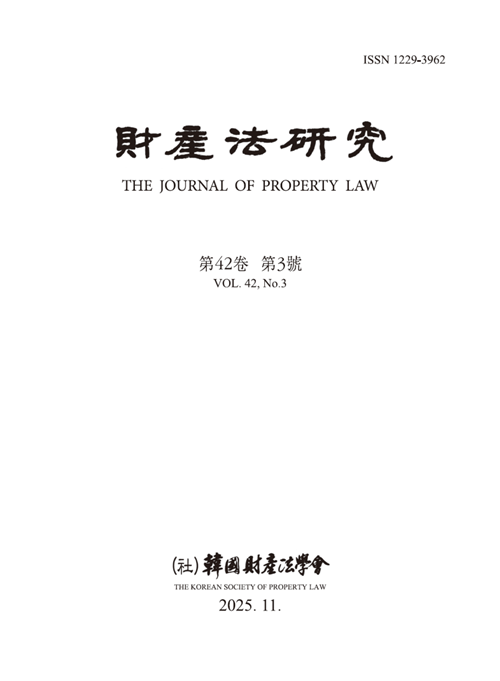
- 한국재산법학회
- 저자명
- 이지은(Jieun Lee)
- 간행물 정보
- 『재산법연구』第42卷 第3號, 31~64쪽, 전체 34쪽
- 주제분류
- 법학 > 법학
- 파일형태
- 발행일자
- 2025.11.30
6,880원
구매일시로부터 72시간 이내에 다운로드 가능합니다.
이 학술논문 정보는 (주)교보문고와 각 발행기관 사이에 저작물 이용 계약이 체결된 것으로, 교보문고를 통해 제공되고 있습니다.
국문 초록
우리 민법의 기본원리인 사적자치의 원칙의 핵심은 개인의 자기결정권에 바탕을 둔 의사결정의 자유라고 할 수 있다. 민법상 행위능력 제도, 의사표시 보호 규정(제107조 내지 제110조) 등은 개인의 의사결정의 자유를 보호하기 위한 제도인 반면, 공서양속에 반하는 법률행위(제103조), 불공정한 법률행위(제104조) 등의 민법상 규율은 사적자치를 제한하는 제도이다. 민법 개정안 제110조의2는 부당한 간섭에 의한 의사표시를 민법상 의사표시의 유효성과 관련된 조문으로 신설하였는데, 동조의 신설에 반대하는 입장은 법률행위에 있어 표의자에 대한 부당한 간섭이 문제되는 경우 현행 민법 제103조, 제104조, 110조에 따른 문제해결이 가능하다는 것을 주된 논거로 하고 있다. 그러나 당해 법률행위의 내용이 사기나 강박의 정도에 이르지 않거나 반사회성이나 폭리행위를 인정할 수 없는 경우에는 아무런 법적 보호를 받지 못하는 공백이 발생하고, 이러한 공백을 메꾸는 역할을 하는 것이 바로 민법 개정안 제110조의2라고 할 것이다.
살피건대 표의자의 의사표시에 대한 부당한 간섭이 있는 경우 그 문제의 본질은 법률행위의 불공정성의 문제가 아니라 의사 형성 과정에서 발생한 자기결정의 방해 상황의 문제라는 점, 그 성립요건으로서 ‘부당한 간섭’은 간섭자의 마음을 피간섭자, 즉 표의자의 마음으로 대체하는 강제적이고 조작적인 방식으로 의사결정의 자유를 침해한다는 점, ‘심리적 의존 상태 또는 긴밀한 신뢰관계’에 대한 엄격한 해석을 통해 법적 안정성을 충분히 확보할 수 있다는 점, 표의자에 대한 부당한 간섭의 상황이 반사회적이거나 폭리행위에 해당하는 경우에도 민법 제103조 내지 제104조를 주장하여 이를 절대적 무효로 할지 혹은 민법 개정안 제110조의2를 주장하여 취소의 법률효과를 부여할지에 대하여 표의자의 의사결정을 존중할 필요가 있고 이는 선의의 제3자 보호를 통한 거래안전과의 균형과도 연결될 수 있다는 점, 민법 제110조의2의 신설에 소극적인 견해와 이들 견해가 제시하는 여러 근거에도 불구하고 민법 제110조의2의 신설이 기존 민법상 여러 규정들과 경합하여 적용되는 한 현행 민법의 규율체계나 다른 규정의 해석론에 무리한 변화를 주지 않으면서도 고령화 사회에 빈번하게 발생하는 문제들과 텔레마케팅, 가스라이팅 등 현대에 새롭게 등장하는 문제들에 대해서도 적극적이고 탄력적으로 대응할 수 있는 길을 열어준다는 측면에서 그 신설을 긍정적으로 고려해볼 수 있다고 생각한다.
영문 초록
The core of the principle of private autonomy, a fundamental principle of our civil law, lies in the freedom of decision-making based on an individual's right to self-determination. While systems such as the capacity to act under civil law and provisions governing declarations of intent (Articles 107 to 110) are designed to protect an individual's freedom of decision-making. In contraast, civil law regulations concerning legal acts contrary to public policy (Article 103) and unfair legal acts (Article 104) are systems that restrict private autonomy. Article 110-2 of the proposed Civil Code amendment newly establishes provisions concerning declarations of intent made under undue influence, addressing the validity of declarations of intent in civil law. The primary argument opposing this new provision is that existing Articles 103, 104, and 110 of the Civil Code already provide sufficient means to resolve issues involving undue influence with the declarant in legal acts. However, a legal gap arises where no protection is afforded if the legal act does not reach the level of fraud or duress, or if no anti-social conduct or unconscionability can be recognized. The newly proposed Article 110-2 of the Civil Code serves precisely to fill this gap.
Upon review, when a declaration of intent is made under undue influence, the essential issue lies not in the substantive unfairness of the legal act, but rather in the interference with the formation of one’s autonomous will during the decision-making process. As a prerequisite for its establishment, ‘undue influence’ infringes upon the freedom of decision-making through a coercive and manipulative manner that substitutes the interferer's mind for that of the interfered party, namely the declarant. Legal stability can be sufficiently secured through a strict interpretation of ‘psychological dependence or a close relationship of trust’. Even in case where the circumstances of undue interference with the declarant constitutes antisocial conduct or unconscionable exploitation, it is important to respect the declarant's decision regarding whether to assert absolute nullity under Civil Code Articles 103 to 104 or to assert the legal effect of voidability under the proposed Civil Code Article 110-2. This flexibility preserves the balance between honoring the declarant’s autonomy and protecting transactional security for bona fide third parties. Despite criticisms that the introduction of Article 110-2 is unnecessary given the existing provisions, its coexistence with other Civil Code articles does not distort the current legal framework. It also opens a path to actively and flexibly respond to problems frequently arising in an aging society and to newly emerging issues in modern times, such as telemarketing and gaslighting. Therefore, the establishment of Article 110-2 should be viewed positively as a meaningful step toward ensuring the effective protection of self-determination within the modern legal order.
목차
Ⅰ. 서론
Ⅱ. 미국 계약법 리스테이트먼트4)상 계약에 대한 규제(Policing Contracts)
Ⅲ. 우리 민법 개정안 제110조의2 (부당한 간섭에 의한 의사표시)에 대한 검토
Ⅳ. 결론
참고문헌
키워드
해당간행물 수록 논문
- 재산법연구 제42권 제3호 목차
- 정보주체의 인격권과 개인정보처리자의 재산권의 충돌과 조정 - ‘가명처리정지요구권’에 관한 대법원 2024다210554 판결을 중심으로
- 시효이익 포기 추정 법리의 변화 - 대법원 2025. 7. 24. 선고 대법원 2023다240299 전원합의체 판결을 중심으로
- 인공지능 학습데이터의 법적 책임과 규제 패러다임 - EU 입법 동향과 민사책임론적 함의를 중심으로
- 매수인의 파산절차상 소유권유보부 매도인의 지위 - 대법원 2024. 9. 12. 선고 2022다294084 판결
- 부정행위로 인한 손해배상책임 - 대법원 2024. 6. 27. 선고 2023므16678 판결
- 대체물의 채권자 취소로 인한 원물반환 불능 시 해결 방안 - 대법원 2024. 2. 15. 선고 2019다238640 판결
- 비영리법인 설립허가주의에 관한 법적 평가와 개선방향
- 의사결정의 자율성 보호와 그 제한 - 부당한 간섭에 의한 의사표시를 중심으로
- 손해배상액의 예정과 위약벌 - 민법 일부개정법률안 제398조를 중심으로
- 부당이득법을 어떻게 개정할까? - 유형론을 바탕으로 독일 민법 개정안을 마련한 König안의 소개를 중심으로
- 일본 민법학에 영향을 준 미국 법학 - 민법학설을 중심으로
- 신탁회사의 관리비 납부의무 인정 여부를 통해 고찰해 본 부동산 신탁등기의 대항력 범위 - 대법원 2025. 2. 13. 선고 2022다233164 판결
참고문헌
관련논문
법학 > 법학분야 BEST
- 인공지능 판사, 과연 가능한가?
- 정치의 사법화와 사법의 정치화 : 온건하고 실용적인 헌법재판의 당위성
- 자국 우선주의 정책과 국제법상 난민⋅이민자 보호-트럼프 행정부의 미국 우선주의를 중심으로-
법학 > 법학분야 NEW
- 재산법연구 제42권 제3호 목차
- 정보주체의 인격권과 개인정보처리자의 재산권의 충돌과 조정 - ‘가명처리정지요구권’에 관한 대법원 2024다210554 판결을 중심으로
- 시효이익 포기 추정 법리의 변화 - 대법원 2025. 7. 24. 선고 대법원 2023다240299 전원합의체 판결을 중심으로
최근 이용한 논문
교보eBook 첫 방문을 환영 합니다!

신규가입 혜택 지급이 완료 되었습니다.
바로 사용 가능한 교보e캐시 1,000원 (유효기간 7일)
지금 바로 교보eBook의 다양한 콘텐츠를 이용해 보세요!