


- 영문명
- Pottery Cultures in the Russian Far East during the Early and Middle Neolithic: Transformation and Interregional Relations
- 발행기관
- 한국상고사학회
- 저자명
- 장은혜(Eunhye Jang)
- 간행물 정보
- 『한국상고사학보』제130호, 5~46쪽, 전체 42쪽
- 주제분류
- 인문학 > 역사학
- 파일형태
- 발행일자
- 2025.11.30
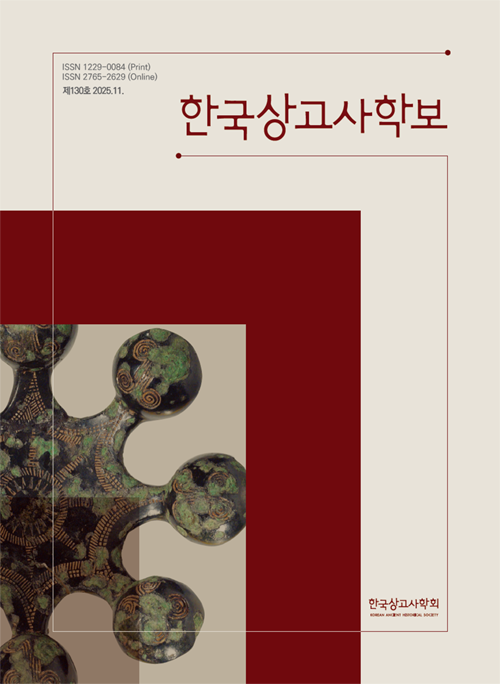
국문 초록
본고는 신석기시대 전⋅중기를 대상으로 러시아 극동 지역 토기군의 변천과 지역 간 관계를 밝히 는 데 목적이 있다. 이를 위해 극동 동부(아무르강 하류역⋅연해주)의 아무르편목문토기군(콘돈⋅루드나야문화)과, 극동 서부(제야-부레야평원⋅송눈평원)의 융기문토기군(노보페트로프카문화⋅솽타 1기문화)을 대상으로 형식학적 특징과 방사성탄소연대를 정리하고 변천 과정을 검토하였다. 또한 동⋅서 지역의 병행관계를 밝히고, 그 접촉⋅교류 양상을 살펴보았다.
그 결과, 러시아 극동 지역 신석기시대 전⋅중기 토기군의 변천은, I단계(아무르편목문 1단계⋅ 융기문 1단계: 약 9000~8000 cal BP), II단계(아무르편목문 2단계⋅융기문 2단계: 약 8000~7300 cal BP), III단계(아무르편목문 3단계⋅융기문 3단계: 약 7300~6500 cal BP)의 세 단계로 정리할 수 있다.
동⋅서 지역 간 접촉은 II단계 이후 뚜렷해진다. 이 시기 중간 지대인 송화강하구역~목단강유역에서 융기문계⋅아무르편목문계 절충토기가 등장하고, 극동 서부에서 아무르편목문토기가 출토 되는 현상은 동⋅서 간 상호작용을 시사한다. III단계에 들어서면, 융기문 요소는 극동 동부 각지 에서 변이 형태로 잔존하고, 아무르편목문토기는 극동 서부(제야-부레야평원)와 한반도(중동부 지역) 등 원격지로 확산된다. 동시에 극동 동부 내부에서도 소지역 간 접촉이 활발해져, II단계에 이어 III단계에도 지역 간 교류가 광범위하게 이루어졌음을 확인할 수 있다.
영문 초록
This study aims to clarify the transformation of pottery cultures and the interregional relationships in the Russian Far East during the Early and Middle Neolithic periods. For this purpose, the analysis focuses on the Amur net pattern pottery complex (Kondon and Rudnaya cultures) of the eastern region (Lower Amur basin and Primorye) and the Raised design Pottery complex (Novopetrovka and Shuangta Phase 1 cultures) of the western region (Zeya-Bureya plain and Song-Nen plain). Their typological characteristics and radiocarbon dates are examined to reconstruct the processes of change, while parallel developments between east and west and patterns of contact and interaction are also considered.
The results indicate that the pottery cultures of the Russian Far East during the Early and Middle Neolithic can be divided into three stages: Stage I (ca. 9000-8000 cal BP), Stage II (ca. 8000-7300 cal BP), and Stage III (ca. 7300-6500 cal BP).
Interregional contact became more pronounced after Stage II. In this period, hybrid forms combining elements of the Raised design and Amur net pattern traditions emerged in the transitional zone of the Lower Songhua–Mudan River region, while the presence of Amur net pattern pottery in the western region suggests reciprocal interactions. By Stage III, raised design elements persisted in modified forms across the eastern region, while Amur net pattern pottery expanded to distant areas such as the Zeya–Bureya plain and the central-eastern Korean Peninsula. At the same time, intensified interactions among subregions in the eastern Far East indicate that, following Stage II, broad interregional exchange networks continued into Stage III.
목차
Ⅰ. 머리말
Ⅱ. 극동 동부 아무르편목문토기군의 변천
Ⅲ. 극동 서부 융기문토기군의 변천
Ⅳ. 고찰 -러시아 극동의 동⋅서교류사
참고문헌
키워드
해당간행물 수록 논문
참고문헌
최근 이용한 논문
교보eBook 첫 방문을 환영 합니다!

신규가입 혜택 지급이 완료 되었습니다.
바로 사용 가능한 교보e캐시 1,000원 (유효기간 7일)
지금 바로 교보eBook의 다양한 콘텐츠를 이용해 보세요!